
CASE STUDY
Repositioning and Portfolio Strategy for a Plant-Based Mince Brand
Objectives:
Our client had developed a versatile plant-based mince and was seeking to scale in the US market. Despite strong product quality, the mince was not gaining traction with chefs or buyers. The client wanted to understand why the product was underperforming, assess unmet customer needs, and determine whether alternative formats and value propositions could unlock growth. Ultimately, they needed clarity on what to sell, to whom, and why it would win.
Deliverables
We conducted a comprehensive customer needs assessment focused on chefs, foodservice operators, and end users to understand pain points related to product formats, preparation, consistency, flavor, and operational efficiency. Using these insights, we evaluated why the existing mince product was failing to meet customer needs and where friction existed in real-world kitchen environments.
Based on this research, we developed a product portfolio strategy that identified new formats that better aligned with customer workflows, convenience requirements, and menu needs. This included recommendations around product attributes, flavor profiles, formats, and use cases that would drive adoption.
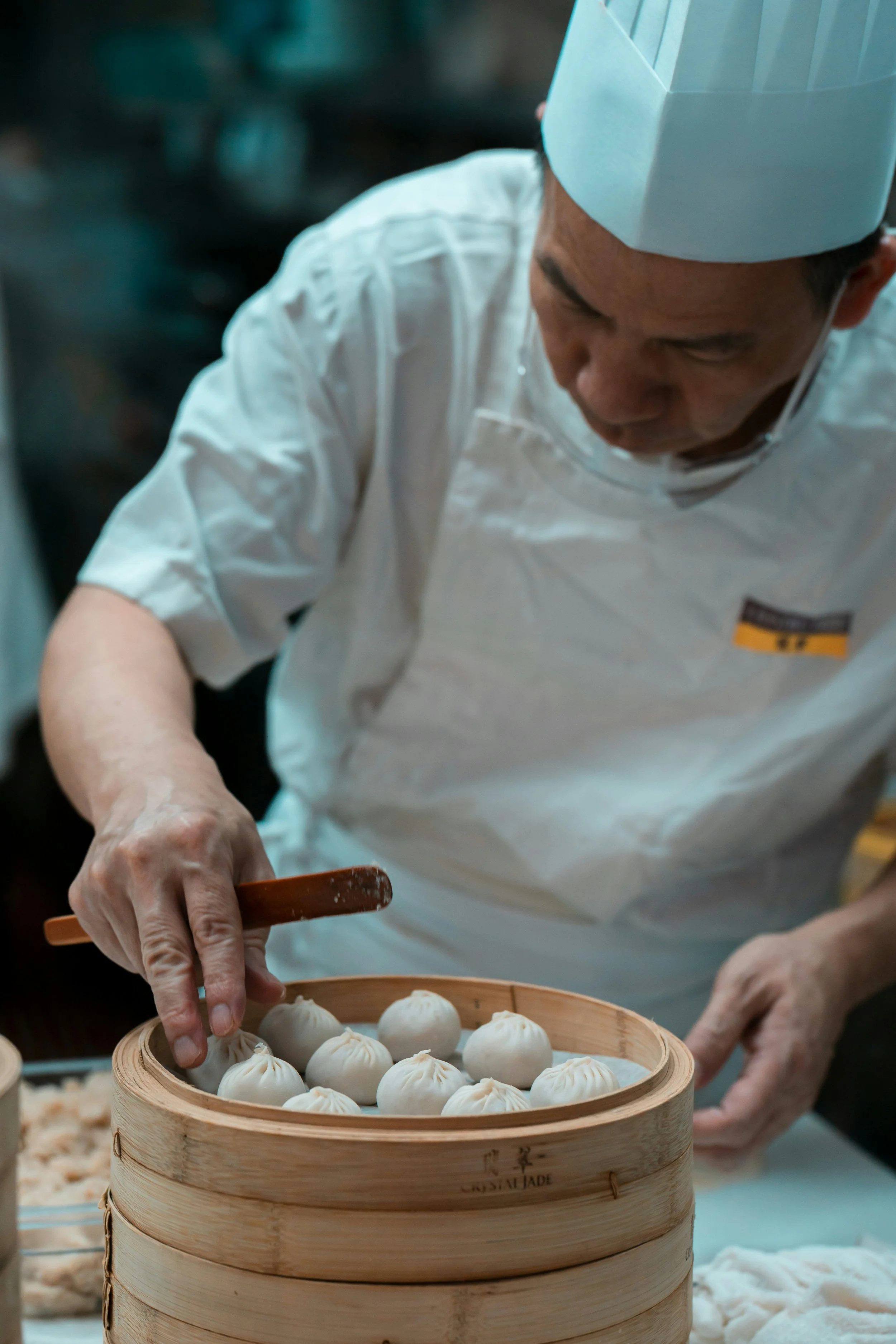
With a new product portfolio in hand, we led a full rebranding and repositioning effort. This included a brand workshop, a new brand name and book, and a redesigned website. The work shifted the company away from a purely “alternative protein” narrative toward a more compelling value proposition centered on globally inspired, small bites that are easy to prepare, operationally efficient, versatile across usage occasions and meal times, and meet consumers’ growing demand for bold flavors.
Results
Our work enabled the client to move beyond a single product and toward a cohesive, customer-driven portfolio strategy. The company gained clarity on why the mince was not resonating with chefs and identified new product formats that better met customer needs and purchasing motivations.
The repositioning helped the brand transition from a functional ingredient supplier to a value-add, solutions-oriented food company offering convenient, high-quality global small bites. This strategic shift unlocked new commercial opportunities, clarified product development priorities, and gave the client a clear roadmap for scaling with products designed to succeed in real kitchens.